
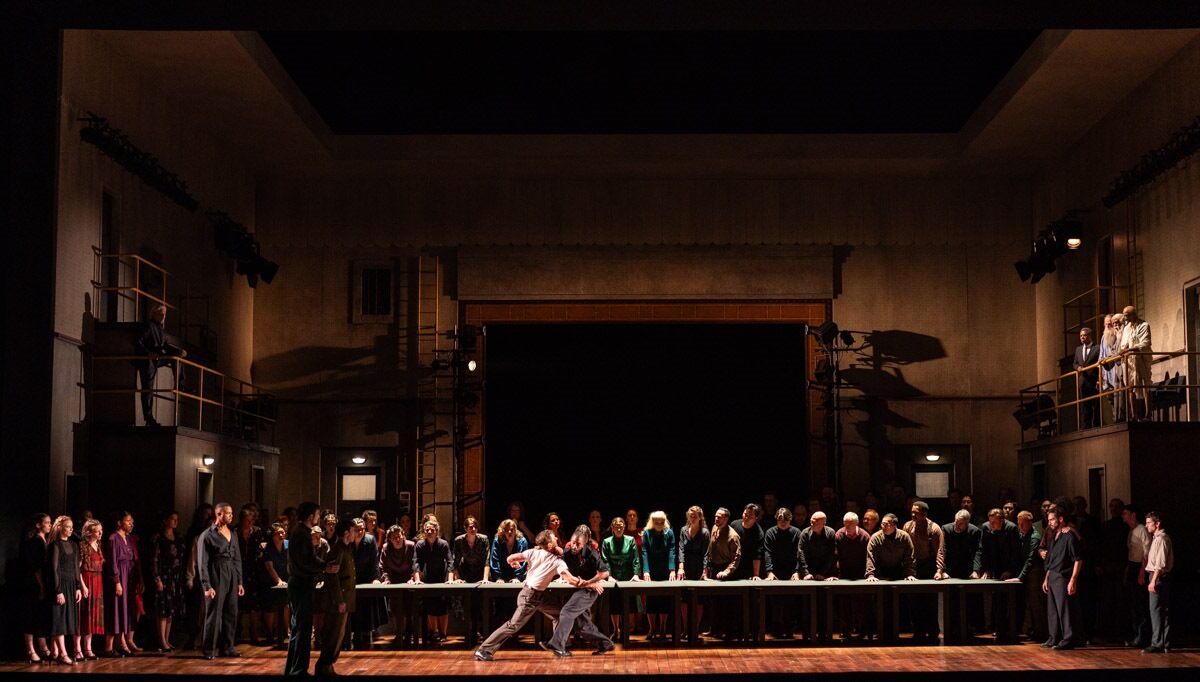
It’s unusual to perform in an opera that feels more like a spiritual practice than a musical one, but that’s what has happened at the Opéra National de Paris with Bobbi Jene Smith and Or Schraiber’s new production of Satyagraha by Philip Glass. The eyes in my heart have opened up to all the ways we perpetuate violence, for it’s more than just physical aggression.
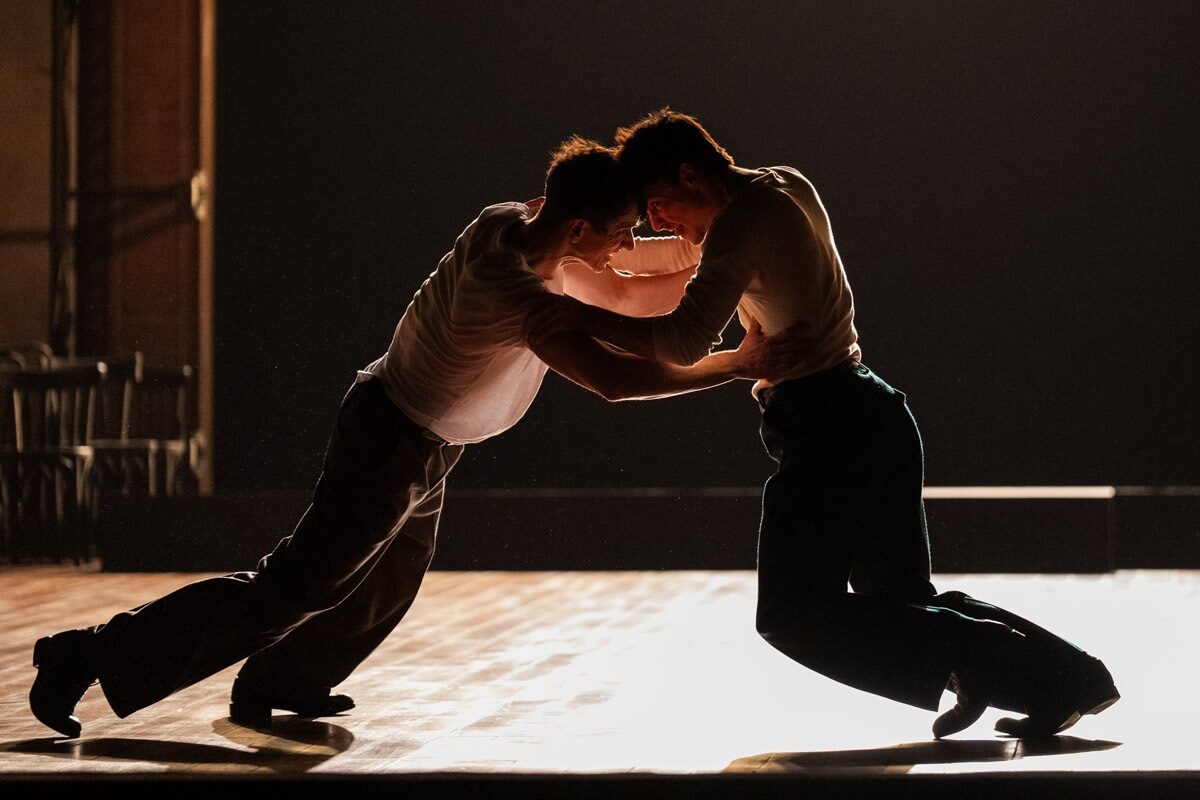
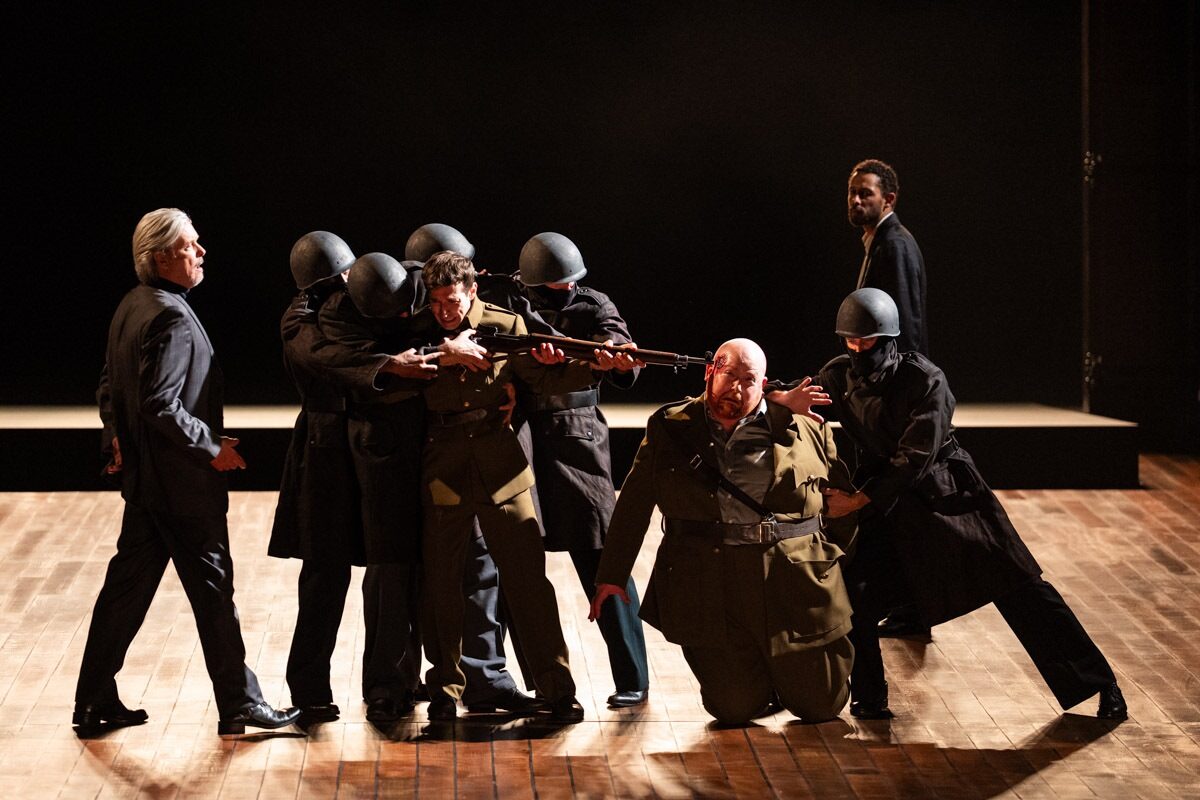
Based on Gandhi’s seminal time in South Africa where he developed his philosophy of truth force and non-violent protest, Satygraha calls into question the ways in which we harm others, our communities, and ourselves.
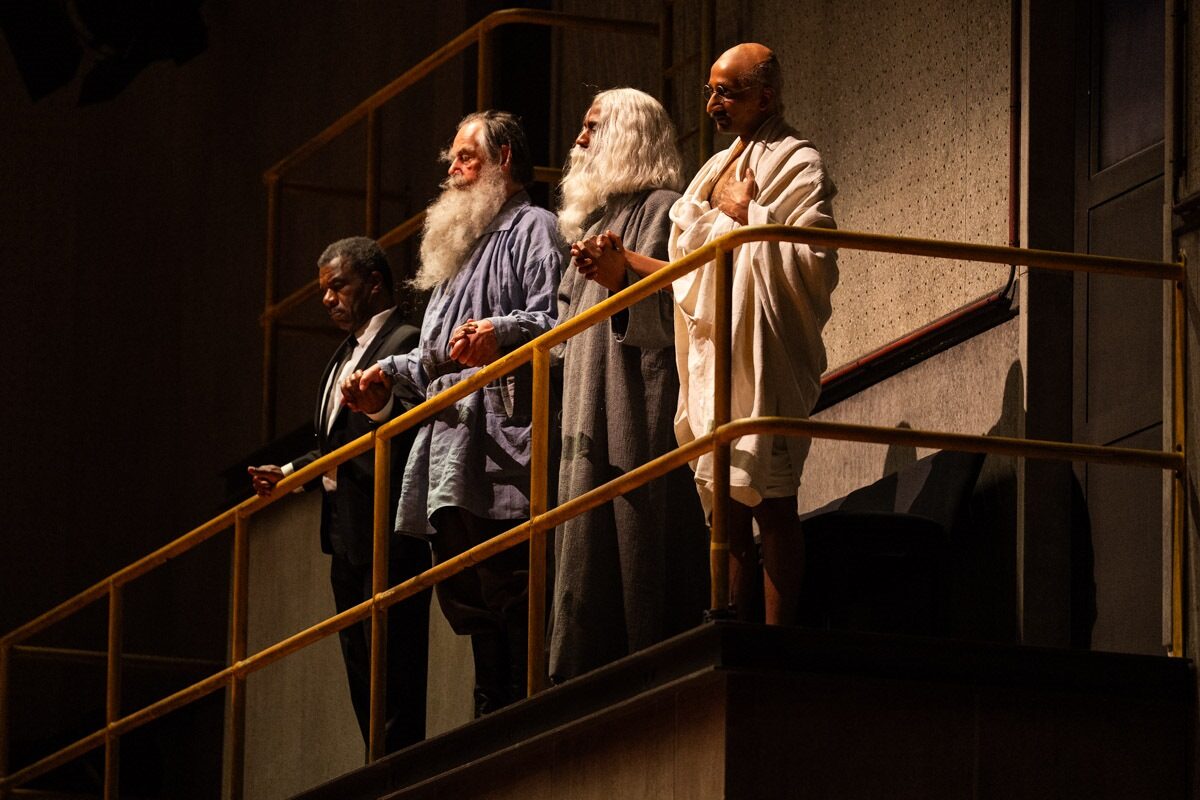
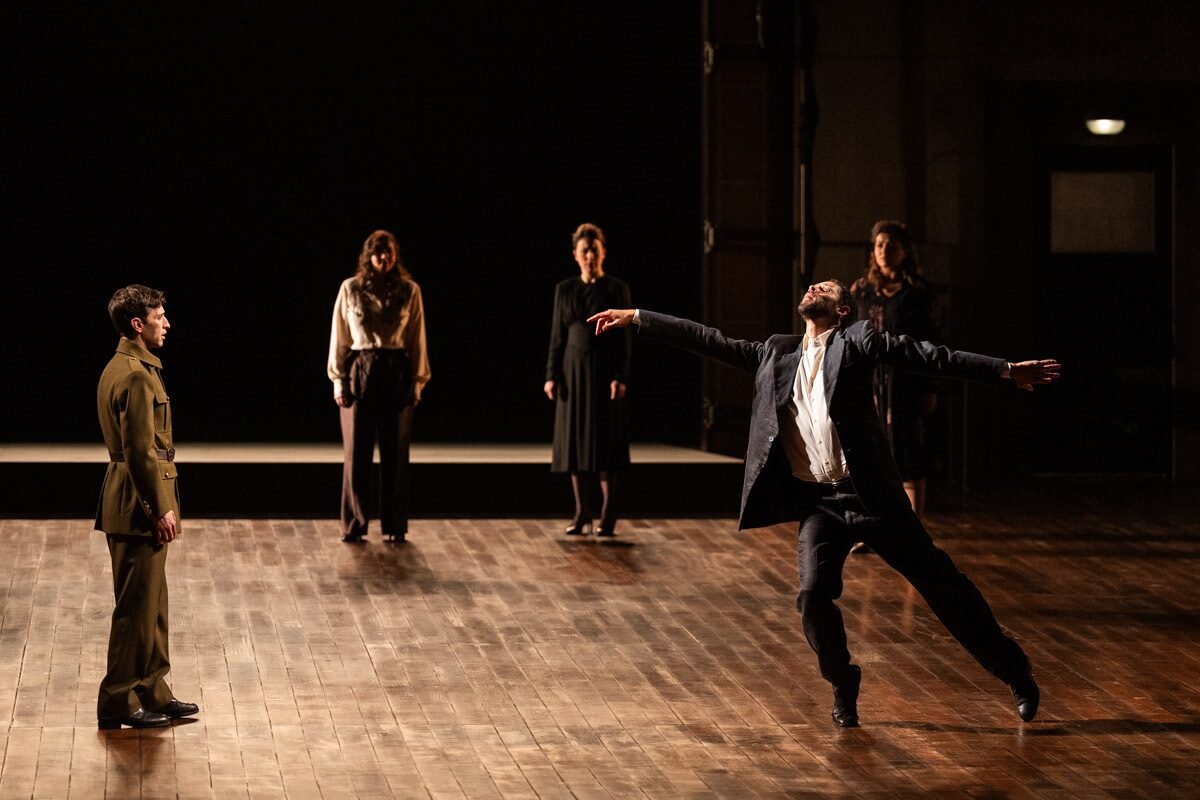
We know what outward violence expressed through physical aggression looks like; we see it every day in the news. We know what verbal violence looks like, we see it every day on our phones. But there’s also violence that has found no outlet and is forced to reflect back inwards. It rots and decomposes into shame. Its festering perpetuates itself like a greenhouse gas and this cycle is one of the main ways that we are self-violent.
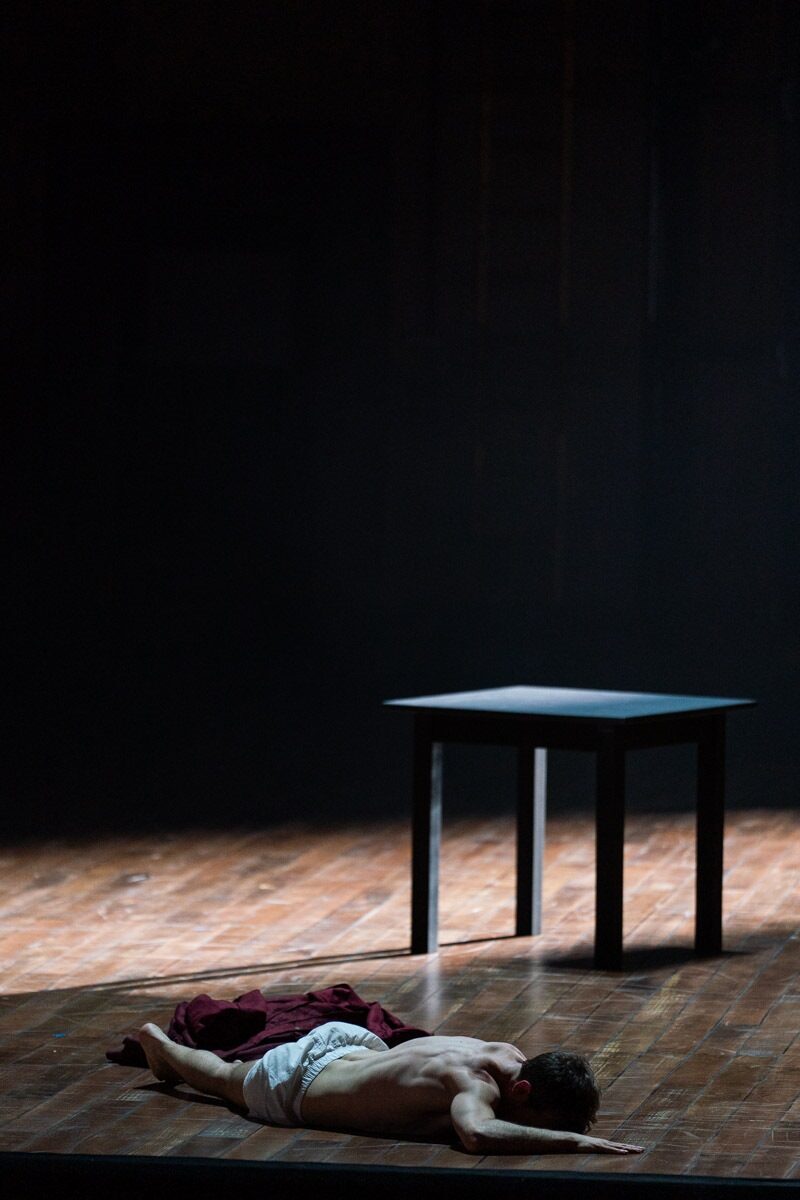
Choosing nonviolence is not simply about refusing to hit back. It’s about holding the vision for what could be hand-in-hand with deep, radical acceptance for what is. If it sounds contradictory, that’s because it is — but that doesn’t make it any less true or possible.
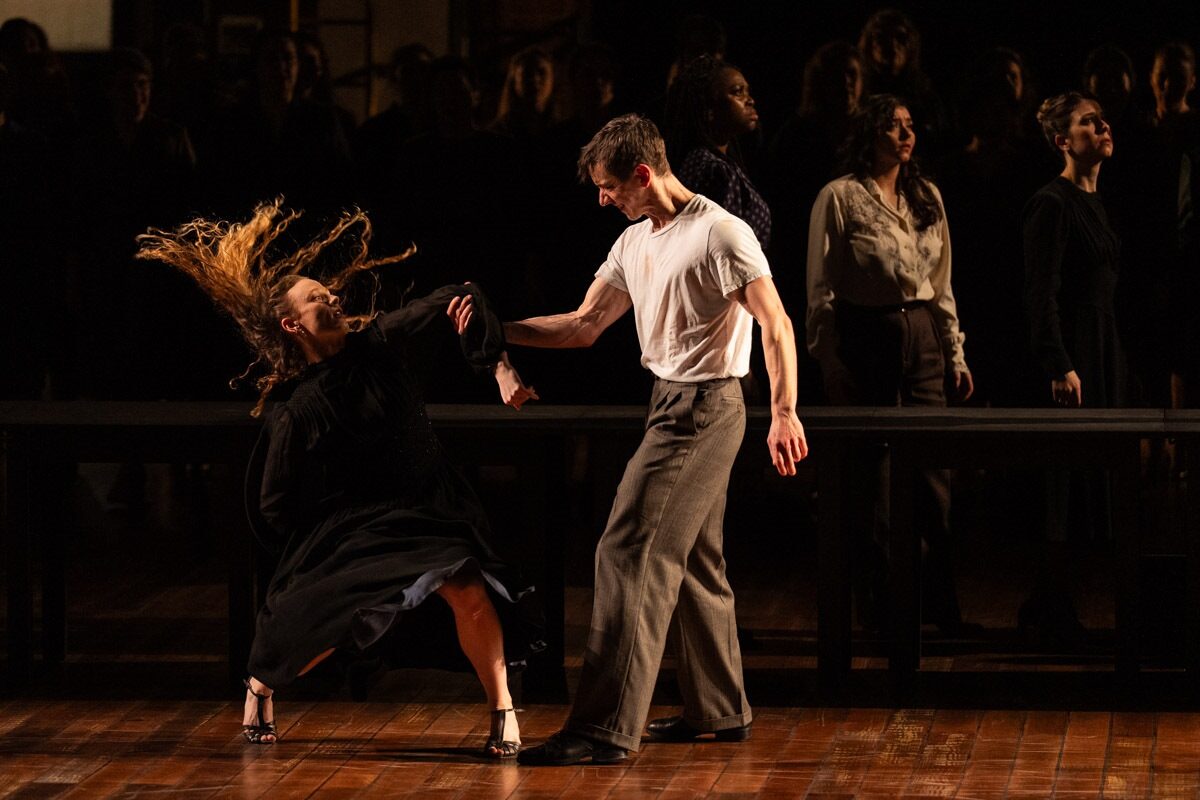
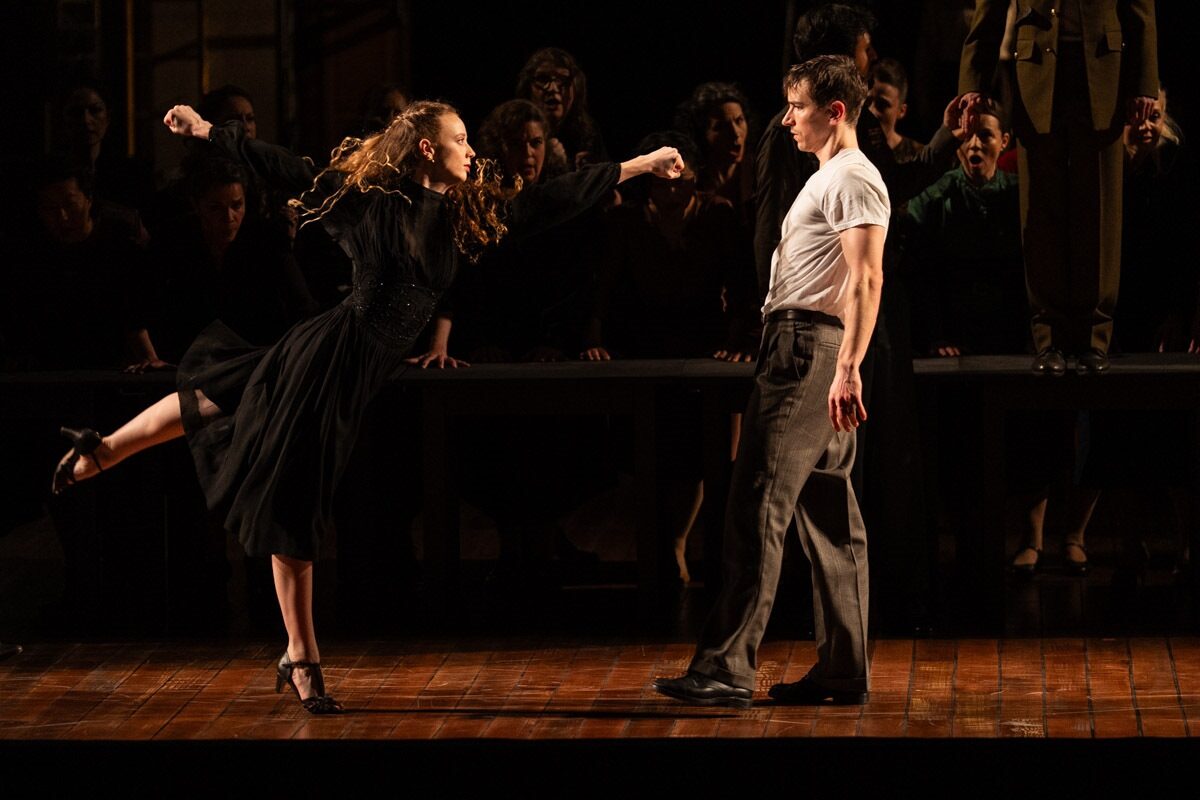
If violence is short-term thinking, nonviolence is long-term thinking. The only way to shift away from the power struggle that we reinforce with violence is to refuse to play the game any more. Its counterbalance is not silent judgement nor calling someone out with the intention of finding a source to blame — it’s forgiveness. It’s showing compassion even when we’ve been wronged. It’s softening the internal monologue that insists we’re always at fault. It’s accountability held in soft palms. It’s coming home to love even when we have strayed. It’s holding space for both ‘yes’ and ‘no’ to be true at once. What does a less violent world really look like? We will not journey towards mercy if our method of transportation is just forcing ourselves, and those who aren’t doing what we want them to do, to get there. Nonviolence is an invitation to be unshakably strong in our conviction that we can in fact experience peace after all.
And what happens when we hold space for possibility despite all circumstances? Will our neighbor take our right hand and leave their left open for others to join?
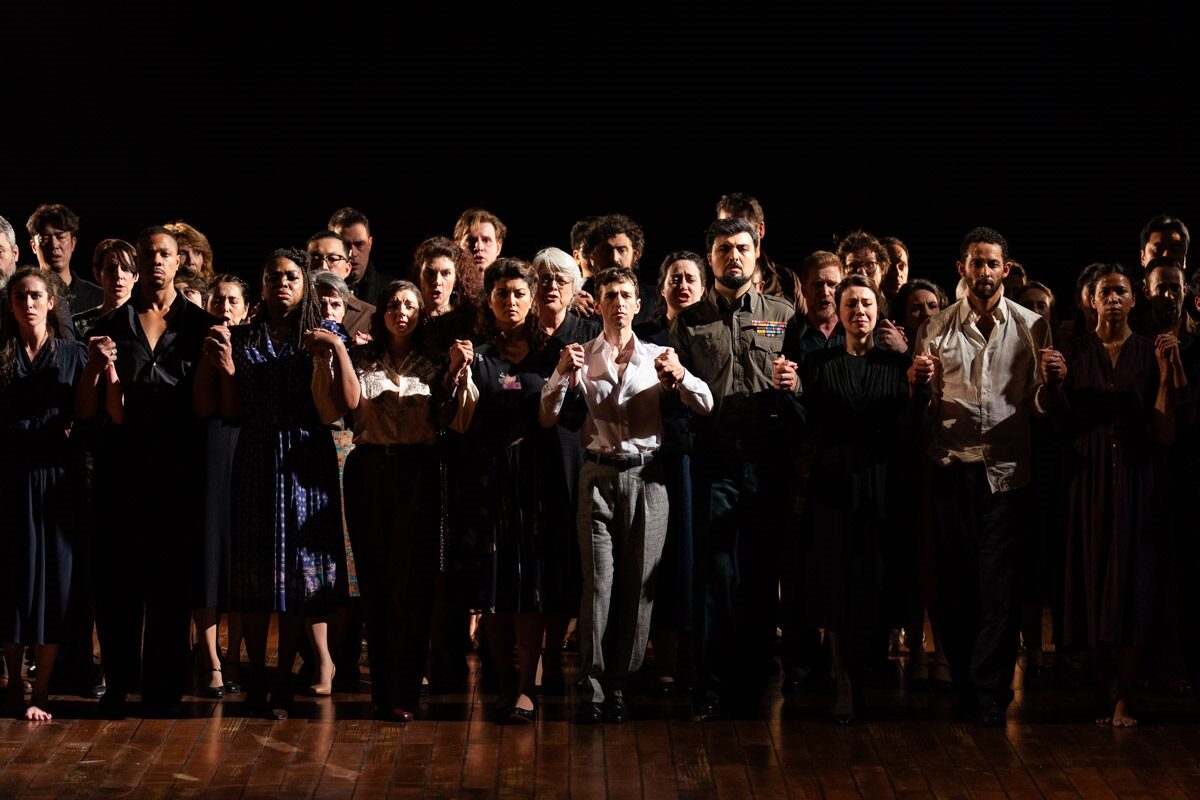
It takes bone-deep, patient courage to hold steady to this belief while our environment continues to show us proof otherwise; it has to become a way of life unrestricted by the need to see evidence in the broader world. The feeling we get within ourselves from nonviolent living has to be more valuable than the seeing the end result on a big scale. I’m sorry to say that I’m not sure we’ll witness it in our lifetimes; and yet, we stay true.
Violence is straightforward, repetitive, and grows quickly stale. Nonviolence is fluid, versatile, and regenerative. It’s solar energy to violence’s fossil fuels. We’ve gotten better at identifying aggression, even on a micro level, but we haven’t spent enough time practicing the alternatives. The choice is less about what we do and more about how we do what we do.
Truth Force requires no force from us. Instead it requires that we stay open, soft, and buoyant so it can pass through us, like a dial on the radio, ready to receive its call.
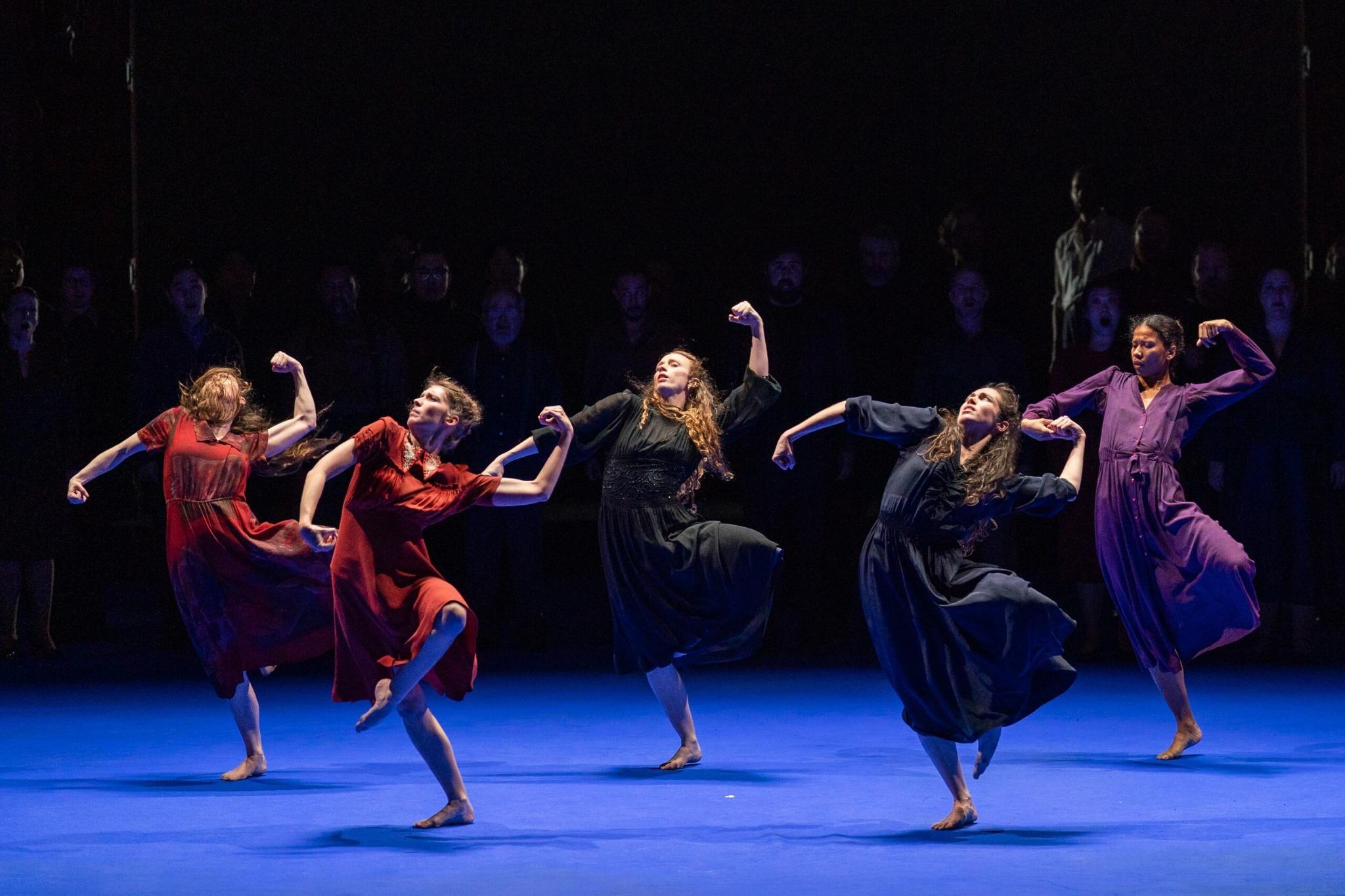
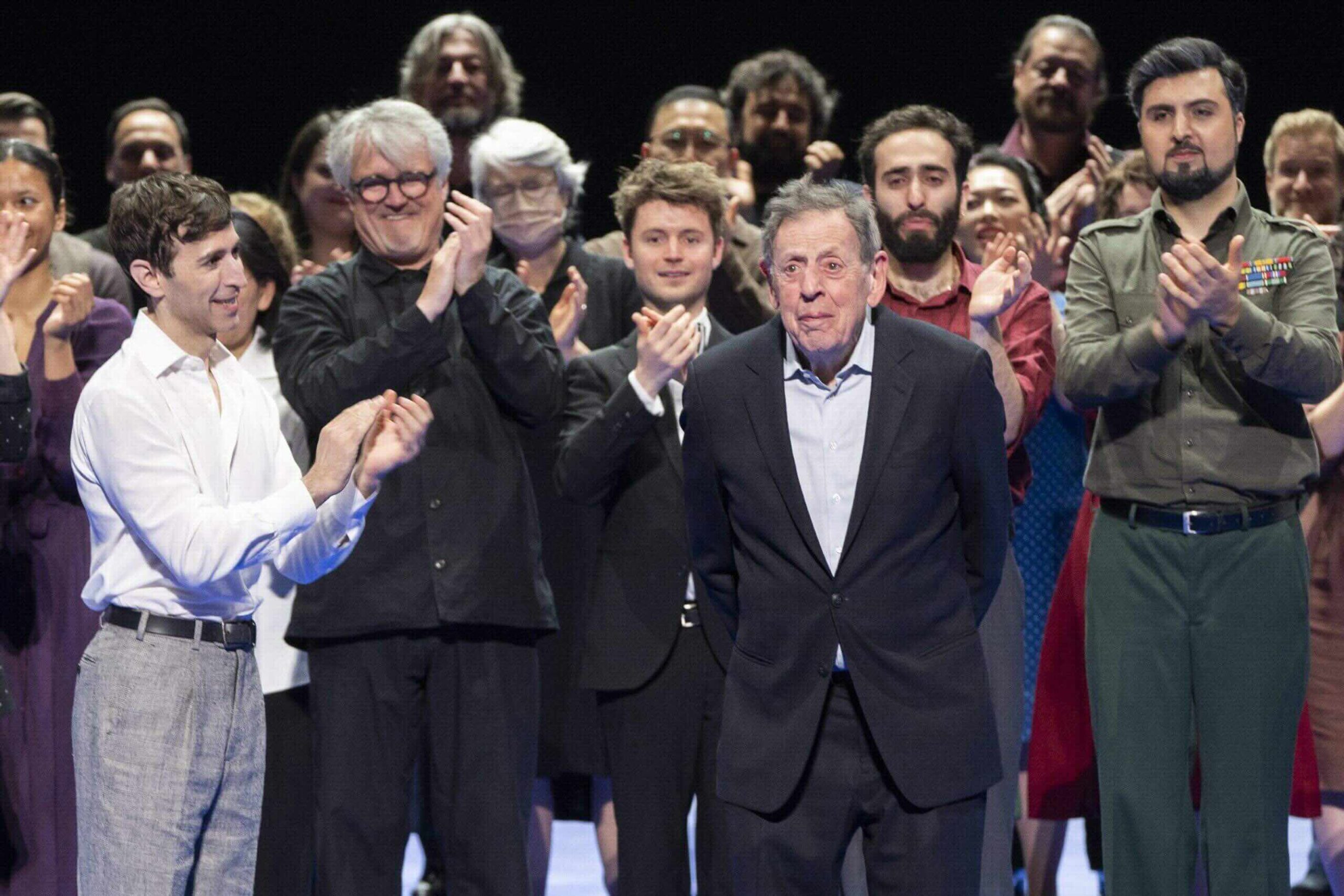
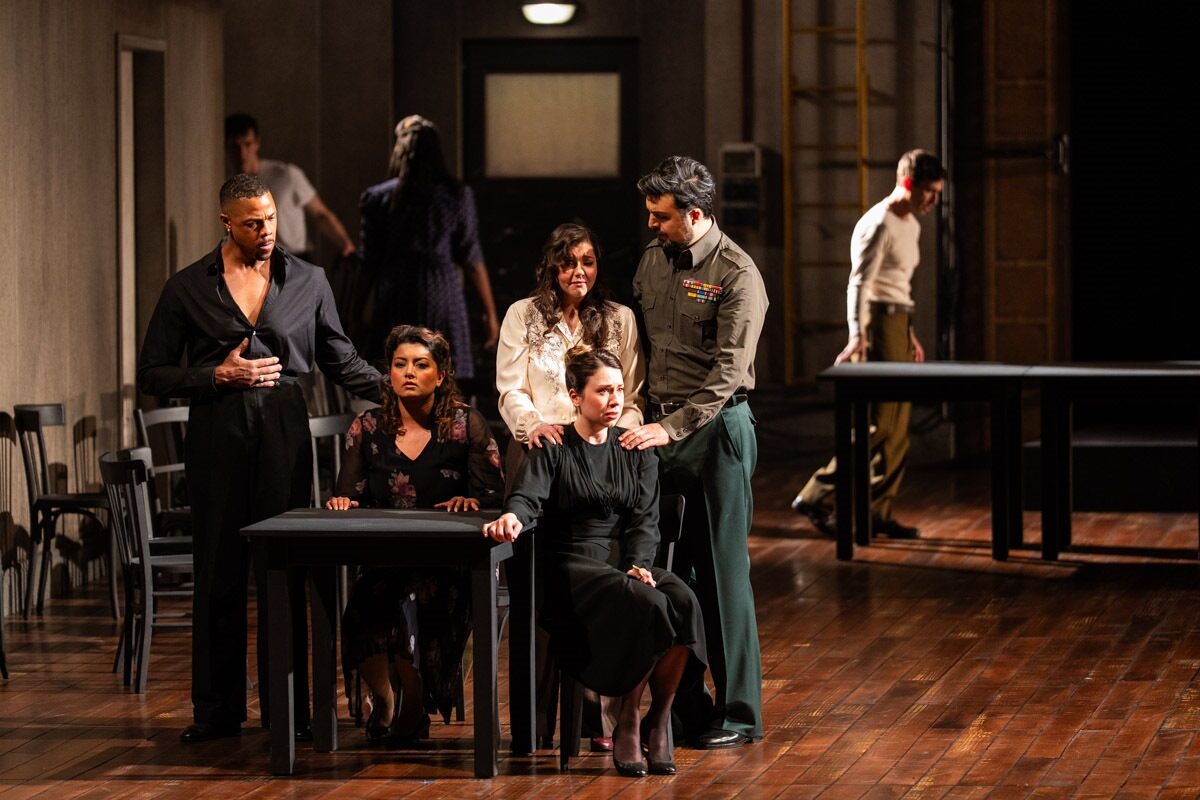
Photos by Nathan Lainé and Yonathan Kellerman.

